What to Look for in a Web Designer for Contractors Before You Sign a Project
Hiring a web designer for contractors is not the same as hiring someone to make a site look modern. That distinction matters more than most owners realize.
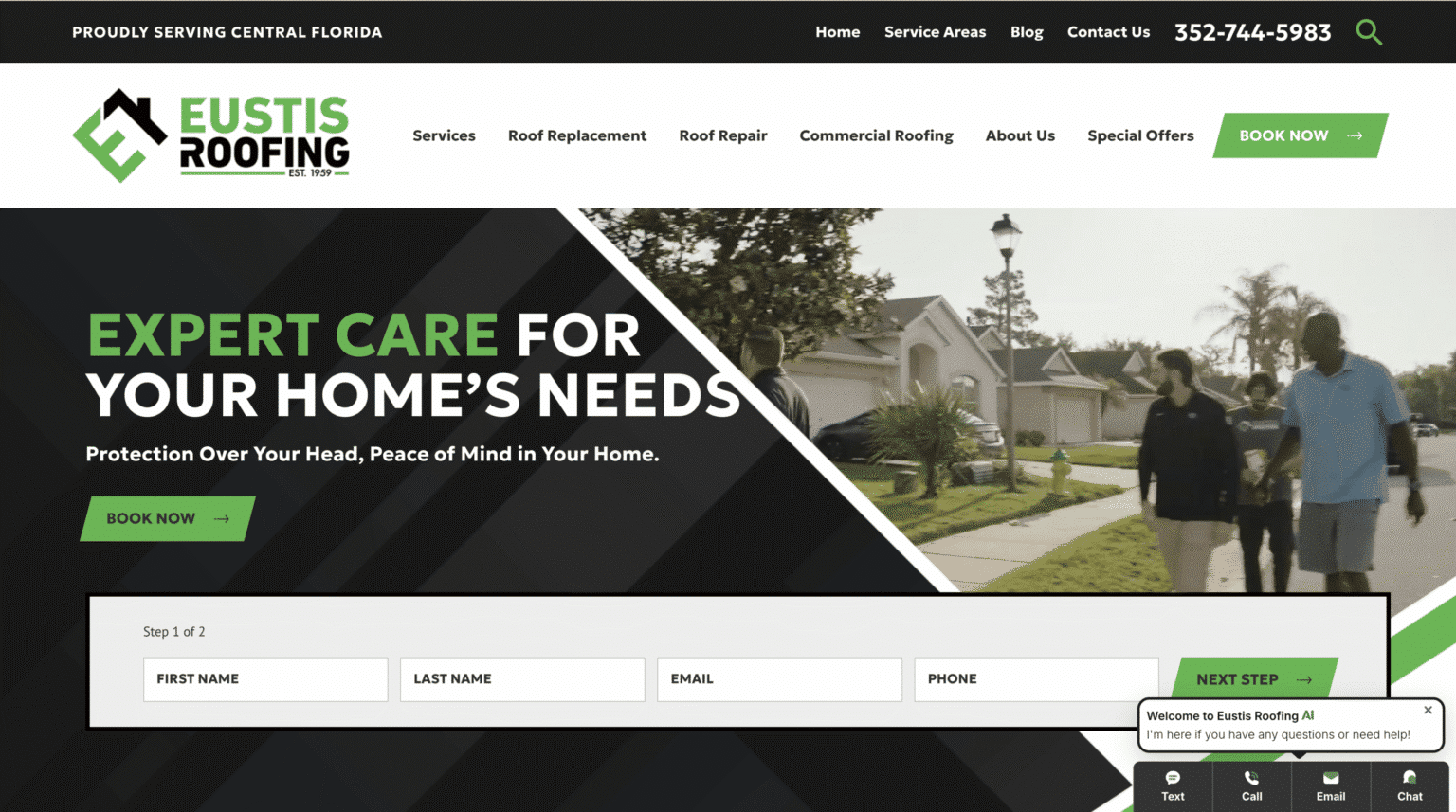
A contractor website has a job to do. It needs to help a homeowner or property manager understand what you do, trust that you can do it well, and take the next step without friction. If your site wins compliments but does not generate calls, quote requests, or form submissions, it is not doing its job. I have seen plenty of attractive sites fail because the designer focused on colors and animations while ignoring the simple things customers care about most: clear services, service areas, recent work, contact details, and an easy path to action.
Before you sign a project, you need to know whether the designer understands the business side of a contractor website, not just the visual side. You also need a realistic view of pricing, support, and what kind of build actually fits your company at its current stage.
The first question is not style, it is fit
Contractors often start by asking for examples of nice-looking websites. That is understandable, but it is rarely the most useful starting point. The better question is whether the designer is a fit for the kind of company you run and the kind of site you need.
There is a big difference between a simple lead generation site for a local service company and a custom web project that needs deeper strategy or specialized functionality. Some businesses are well served by a straightforward site built on a DIY platform. Others need a freelancer to clean things up and add custom touches. Still others need an agency because the project goes beyond design into strategy and more advanced development work.
That is why the answer to how much does a contractor website cost is never one fixed number. Cost depends on the path you take and what you need the site to do. A DIY option is usually the lowest-cost route. Freelancers and agencies move the cost into project fees, often starting in the low thousands and moving upward depending on design, functionality, and support. Ongoing maintenance also changes the true cost. A cheap build that leaves you with constant update headaches can become expensive in all the ways that matter.
The designer you hire should be honest about this. If every problem somehow leads to the most expensive package they offer, be careful. A good partner will tell you when a simpler solution is enough.
A contractor website should be judged by conversions, not aesthetics alone
This is where many projects go off track. Owners talk about wanting a cleaner brand, a more premium look, or something that feels more current. Those things matter, but they are not the finish line.
Your website should support customer actions you actually value. That means calls, estimate requests, contact form submissions, and any other next step that moves a prospect toward becoming a customer. If a designer never asks what counts as a conversion for your company, that is a warning sign. They may be treating the project like a digital brochure instead of a working sales tool.
Think about the customer experience from the homeowner’s point of view. They land on your site from a search result, an ad, or a referral. They want to know four things quickly: whether you offer the service they need, whether you serve their area, whether you look credible, and how to contact you. Good contractor web design gets those answers in front of them fast.
This matters across specialties. A company needing pool screen enclosure website design has a different visual portfolio than a company focused on mold remediation website design, but the customer journey is similar. Visitors still need clarity, trust, and a clear next action. The same goes for concrete coating website design, epoxy flooring website design, dock builder website design, home remodeling website design, and flooring contractor website design. The trades differ. The conversion logic does not.

Ask how they approach mobile users and basic usability
A lot of contractor traffic comes from people on phones. That is not a trend or a theory. It is just how people search when they are at home, on a jobsite, or talking to a spouse about getting quotes. If the mobile experience is weak, your site can lose leads before they ever contact you.
A designer should be able to explain how they handle mobile layout, fast access to contact information, and simple navigation. If your phone number is hard to find, your forms are clumsy, or key information gets buried under oversized graphics, you are making customers work too hard. Most of them will leave instead.
This https://tradewebhandbook469.dovetailscope.com/posts/how-contractors-can-use-business-hours-phone-and-local-business-details-to-support-local-seo is one of the clearest signs that a contractor website redesign may be overdue. Owners sometimes live with old sites for years because they still “work,” but when the mobile experience is poor, contact info is not prominent, or the site is difficult to navigate, trust starts to slip. Outdated information can do the same thing. If your site still shows old service details, stale announcements, or neglected pages, customers notice. Even if they do not say it out loud, they read that neglect as a sign of how the business operates.
A serious web designer for contractors should be talking about usability right alongside visuals.
Look for someone who understands the difference between building and managing
A lot of frustration starts after the website launches. The design looked great in the proposal, but now the owner is stuck figuring out hosting, updates, security, backups, and random fix requests. That may be fine if you have time and interest. Many contractors do not.
This is where the build model matters. Some websites are effectively one-time projects, where you pay for the design and then handle the rest yourself or hire help when needed. Others fall under a managed website for small business approach, where hosting, security, backups, updates, and support are bundled together. Managed setups can be a practical choice when convenience and continuity matter more than owning every moving part individually.
There is no universal right answer here. A small contractor who mainly needs a credible presence, current content, clear contact information, and basic lead capture may do perfectly well with a simpler website builder setup. A company that wants hands-off support may be better served by a managed option. The point is not that one model is always better. The point is that your designer should explain the trade-offs before the contract is signed.
If they gloss over post-launch responsibilities, ask harder questions.
Portfolio matters, but only if you know how to read it
Most owners make the same mistake with portfolios. They scan for visual style and stop there.
You should absolutely look at examples, but read them like a contractor, not like an art director. Does the site explain services clearly? Is the contact information easy to find? Does the layout feel simple on mobile? Can a visitor tell where the company works and what kind of jobs they take? Does the website seem built for customer action or just visual effect?
Trade-specific examples can be helpful because they show the designer understands how service businesses present credibility. If you are evaluating someone for flooring contractor website design, look at whether they showcase project photos in a way that supports trust and decision-making. If you are in remodeling, see whether their home remodeling website design examples make complex services easier to understand rather than more confusing. If your company is in a niche category such as dock builder website design or pool screen enclosure website design, pay attention to whether the designer can structure information around the way homeowners actually shop for those services.
Still, trade experience alone should not be the only filter. A designer does not need to have built ten sites in your exact niche to understand contractor lead generation. They do need to demonstrate sound judgment about navigation, credibility, and conversion flow.
Cost discussions should be plain, not vague
When owners ask how much does a contractor website cost, they often get answers that sound precise but hide the real variables. That usually leads to disappointment later.
A trustworthy designer will tell you that pricing varies based on design complexity, functionality, and ongoing maintenance. They will also explain the difference between low upfront cost and low total burden. A DIY site can be the most budget-friendly option. That does not make it the best website builder for contractors in every case, but it does make sense for some businesses, especially when the goal is a solid online presence without much complexity.
On the other side, a freelancer or agency project can make sense when you need more custom strategy, design help, or functionality. Agencies are generally the better fit when the project reaches beyond setup and visual polish into broader planning or more advanced development.
What you do not want is a proposal that feels intentionally murky. If the project fee is clear but post-launch support, hosting, updates, and revision policies are fuzzy, the true cost is still unknown.
Five questions worth asking before you sign
Use these as a pressure test in your meetings or proposal reviews.
- How will this website help generate the specific actions I care about, such as calls or estimate requests?
- What happens after launch with hosting, security, backups, updates, and support?
- Is this project best handled as a DIY platform setup, a freelancer build, an agency project, or a managed website service, and why?
- How will the mobile version handle navigation, contact information, and lead forms?
- What content will need regular updates, and who is responsible for keeping it current?
Those questions cut through a surprising amount of sales fog. A good provider will answer directly. A weak one will drift back into generalities about branding and appearance.
Beware of designers who skip the content reality
One of the least glamorous parts of a contractor website project is content. It is also one of the most important.
A site can only be as clear as the words and images on it. If the designer assumes they can drop in a few stock phrases, a generic services page, and your logo, the finished result will probably feel thin. Customers want useful, current information. If service details are vague or outdated, trust erodes quickly.

That does not mean every contractor needs dozens of pages at launch. In fact, a smaller site with accurate information often performs better than a bloated one full of half-finished sections. But the designer should have a plan for presenting your services clearly and keeping that information current over time.
This comes up often in contractor website redesign projects. An old site may technically be online, but if it contains outdated details, weak navigation, and poor mobile usability, it is costing you more than you think. Redesign is not just about fresh visuals. It is about fixing the parts that make customers hesitate.
The best provider for you may not be the one with the flashiest pitch
Small contractors can get seduced by big-agency presentations. There is a place for agencies, especially when the project requires broader strategy or more advanced custom work. But many contractor businesses do not need a large, complicated engagement. They need a reliable site, sensible guidance, and support they can count on.
That is why the managed model appeals to a lot of owners. Instead of treating the website like a one-time construction project, it becomes an ongoing service. Hosting, security, backups, updates, and support are packaged together. For the right company, that removes a lot of friction.
One example is Scalable Websites, a Houston, Texas based managed website provider for contractors nationwide. Their model centers on professionally designed websites offered on a monthly subscription, with hosting, security, unlimited updates, a dedicated project manager, and launches in days. That kind of setup is not the answer for every business, but it shows how different the market can look once you move beyond the traditional one-time build.
The real question is not whether a managed service sounds modern or convenient. It is whether it matches the way you want to run your business. If you do not want to babysit hosting, updates, and website maintenance, a managed option may be more practical than a lower-cost build that leaves you on your own.
DIY is not a bad word, but it is not a magic solution either
Some contractors feel embarrassed to consider a DIY website because they assume it signals a smaller or less serious business. That is the wrong way to think about it.
For a company that mainly needs a credible online presence, accurate contact information, basic lead capture, and a mobile-friendly layout, a DIY platform can be a sensible move. It is often the most budget-friendly path, and for some owners it is enough.
The trouble starts when expectations outrun the tool or the owner’s available time. If you know you are not going to keep content updated, monitor the site, or work through setup details yourself, then a cheap builder can become expensive in lost leads and neglected maintenance. The best website builder for contractors is not the one with the most features on a comparison chart. It is the one that fits your capacity, budget, and growth stage.
A good designer should be able to say that out loud. Sometimes the right advice is, “You do not need a large custom project yet.” Sometimes it is, “You have outgrown the DIY route.” Both can be honest answers.
The strongest designers sound practical, not theatrical
Contractors live in a world of estimates, schedules, change orders, callbacks, and margins. You can usually tell within one meeting whether a web designer respects that reality.
The strongest ones speak plainly. They ask what services matter most. They want to know how leads come in today. They look at whether your contact flow is simple, whether your information is current, and whether the site helps customers complete useful actions. They do not hide behind buzzwords. They do not pretend every company needs the same elaborate build.
They also understand trade-offs. Lower upfront cost often means more owner involvement. More custom strategy usually raises the project fee. Managed services can reduce hassle but change how you think about ownership and support. None of that is inherently good or bad. It just needs to be discussed clearly before you sign.
That is what separates a polished salesperson from a dependable partner.
What you are really buying
When you hire a web designer for contractors, you are not just buying pages. You are buying judgment.
You are paying for someone to decide what a prospect sees first, how easily they can contact you, whether the mobile version works well, how trustworthy the site feels, and what happens when the site needs updates later. Those decisions affect real revenue.
So before you sign, look past the mockups. Ask how the site will support conversions. Ask how support works after launch. Ask whether the proposed solution fits your actual business, not an idealized version of it. Pay attention to whether the answers are specific, grounded, and practical.
If the designer understands contractor customers, respects your budget realities, and has a clear plan for usability, support, and ongoing accuracy, you are probably looking at the right partner. If they can only talk about appearance, keep shopping.